Benefits of GPS Tracking

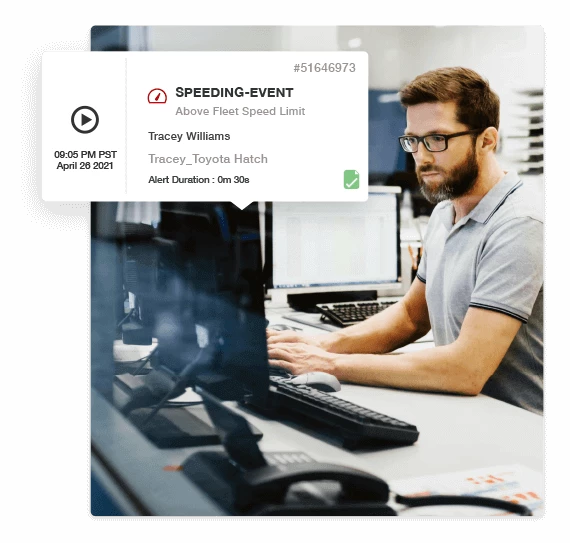
1. IMPROVED SAFETY The safety of your drivers is no doubt a top priority for your organization. This starts with having well-maintained vehicles but should also focus on monitoring driver behavior and ensuring that safe driving practices are being followed. Most fleet tracking providers offer digital maintenance programs that enable you to create maintenance schedules with automatic alerting based on odometer readings or scheduled maintenance. You can also create digital processes for inspections and maintenance activities that enable your drivers and maintenance teams to report faults that can be instantly actioned. Most GPS trackers also have built-in accelerometers and can alert drivers and managers to patterns of poor driving behaviors, such as harsh braking, harsh acceleration, harsh cornering and speeding. When equipped with AI-enabled dashcams, fleet managers can go even deeper with visibility into distracted driving, tailgating and red-light violations. Fleets can use this data to implement rewards and recognition programs to honor the best of the best drivers and encourage other drivers to do better. Improved Safety
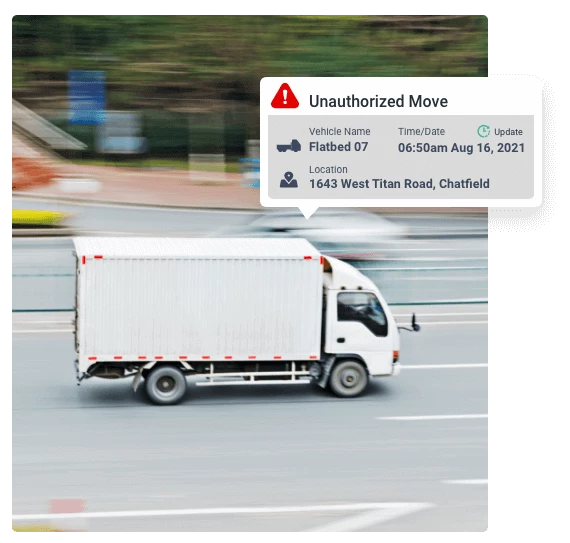
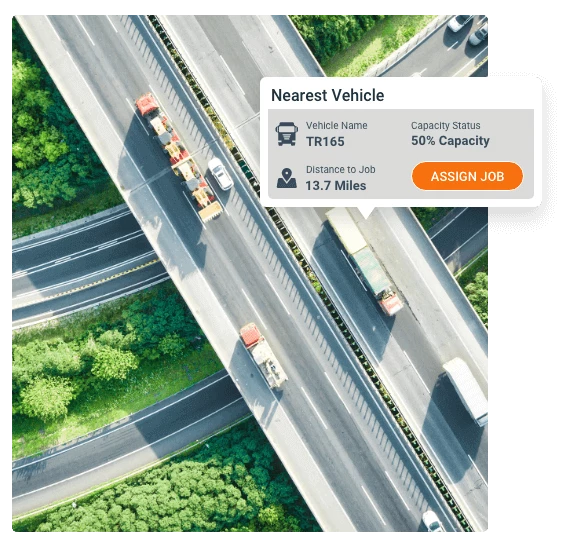
2. MINIMIZE FUEL COSTS According to the Teletrac Navman Benchmark Report, fuel costs are one of the largest expense lines for transportation companies, second only to payroll. With GPS tracking, fleet owners can understand when and how their vehicles are being operated. Speeding and other poor driving behaviors, such as harsh acceleration, can decrease fuel efficiency increasing costs. Unauthorized vehicle use can also significantly increase fuel costs. A GPS tracking system can alert management to unauthorized use via time-of-use restrictions and calendar templates. You can also reduce fuel spend by ensuring drivers are taking the most direct routes to jobs. With access to route planning and dispatching tools your team can ensure that they are assigning jobs to the nearest vehicle, travelling on the most efficient routes and limiting fuel use. Minimize Fuel Cost
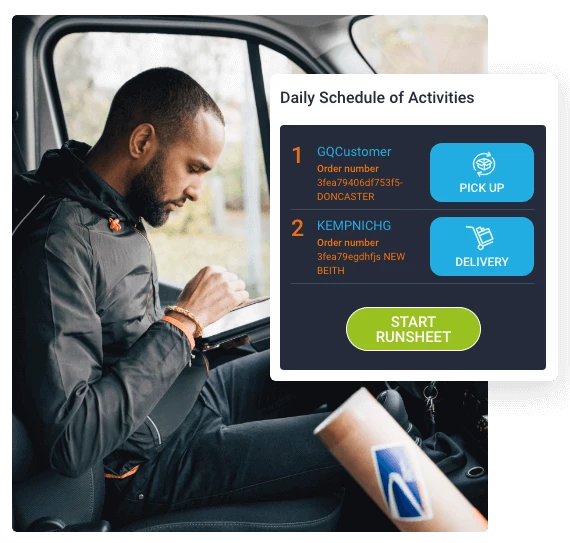
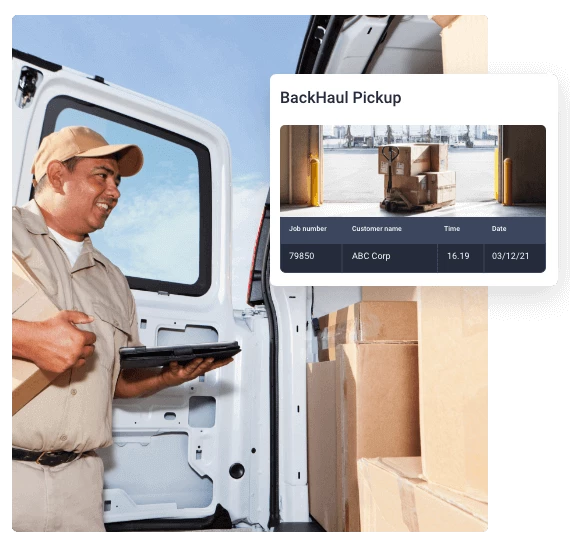
3. LOWER OPERATIONAL COSTS By having access to the data that matters most to your business in real-time, organizations can make more informed business decisions, reducing operational costs. Having instant access to data helps businesses identify problems quickly and ensures that resolutions can be put in place to mitigate costs that would have been incurred if the problem existed for a longer period. GPS trackers can support the digitization of processes and simplify the collection of data, ensuring that the right information is collected and stored in a central location that is accessible by all team members. By digitizing processes like pre-trip inspections, job dispatch and proof of delivery fleets can streamline administrative processes so their team can focus on getting the job done. Lower Operational Cost
4. INCREASED PRODUCTIVITY Increasing productivity is a time and money saver. With a GPS fleet tracking system, businesses can monitor time spent at job sites or at loading bays and work to ensure drivers are more productive. Also, by ensuring the nearest vehicle is routed to a job, businesses can eliminate waste. Digitizing important workflows is another way to increase productivity. With proof-of-delivery and custom forms, including digital signature capture, fleets can streamline payroll, billing, inventory, and other back-office tasks. Increased Productivity
5. THEFT RECOVERY Vehicles and equipment are some of the most valuable assets your business owns. Therefore, it should come as no surprise theft recovery is one of the top benefits of GPS tracking. When you have GPS tracking installed on your vehicles and other assets, your company can easily monitor the location and set calendar templates for expected use and quickly identify unusual or unauthorized use. Get instant alerts when a vehicle or piece of equipment is operating outside its designated location or hours of operation. If a vehicle is stolen, location tracking can help authorities recover the asset, reducing expensive replacement and insurance costs. Theft Recovery

FMB 130

GPS TRACKERS

1. Smarter route planning GPS fleet tracking can also help identify the best and worst roads by reviewing details for past trips using the location history map. Fleet managers can optimize routes by identifying busy roads with location-based historical data. Optimizing routes can directly increase how efficient and productive drivers can be. 2. Safety against cargo theft In 2018, there were 592 cargo thefts in the U.S. worth $142,342. GPS tracking and virtual geofenced parameters can help prevent vehicle and cargo theft. Fleet managers can keep track of the location of all vehicles in real time. And take quick action if a vehicle deviates from its path. 3. Prevent unauthorized vehicle use With real-time GPS tracking and location history records, fleet managers can quickly identify if a vehicle is being misused for side jobs or personal use. 4. Reduced administrative burden Fleet managers can also reduce administrative burden by eliminating manual paperwork and minimizing phone calls to drivers. A fleet administrator can get real-time updates just by looking at their fleet management dashboard. 5. Automated real-time alerts As GPS tracking can track vehicles in real time, fleet managers can create virtual parameters to set up geofenced alerts whenever a vehicle enters and leaves a job site. You can plan your operations and daily tasks more productively when you don’t have to manually keep track of your vehicles. Knowing where all your vehicles are and receiving automated notifications when they enter or exit important destinations can help reduce administrative burden. For instance, it’s a huge GPS tracking benefit to inform customers of delays. Similarly, fleet managers can also notify shippers or receivers based on geofenced alerts. That is, if drivers are about to reach the facility. Early notifications can speed up processes, increase productivity, and reduce detention time. 6. Usage-based invoicing GPS tracking helps you know where your vehicles and assets are and how long they’ve been there. This is especially helpful for oil and gas companies. Accurately calculating time on site is important for invoicing and getting paid. Fleet administrators can easily manage billing, invoicing, and payroll with location-based data. 7. Better customer service GPS tracking and real-time vehicle location data can help you provide improve your customer service and get a leg up on your competitors. When you know exactly how far away your vehicles are from their destination, you can deliver accurate estimated times of arrival to your customers. 8. Increased productivity Another GPS tracking benefit is that you can become more competitive by tracking performance against delivery service level agreements. A service-level agreement (SLA) defines the level of service you expect from a vendor and lays out the metrics. It also includes remedies or penalties if the level of service level isn’t met. For example, if your SLA says you’ll deliver a package by 10 a.m., you can prove that you were there on time or before the expected delivery time with GPS. 9. Reduced detention time Detention time can cost fleets up to $1,280 per driver per year. Moreover, according to a DAT survey, only 3% of drivers receive detention fees for over 90% of their claims to shippers. That’s why it’s important to reduce the possibility of detention time with GPS tracking and geofencing. With real-time vehicle tracking and automated geofencing alerts, you can easily identify when a driver enters and exits a facility. This information can help you identify unproductive shippers and receivers that detain drivers for too long and too frequently. Motive customers can also use Facility Insights, which shares detailed warehouse information. This includes average dwell time and peak hours. 10. Reduced fuel usage According to a 2018 ATRI report, the operational cost of trucking increased by 7.7% from 2017. Of all the different types of operational costs, fuel costs recorded the highest year-over-year growth. A jump of 17.7%. Fuel can be one of the biggest operational expenditures for most fleets. By optimizing fuel usage and reducing waste, fleet managers can focus on profitability. Fleet managers can compare multiple routes with GPS tracking and historical reports. Identify the amount of fuel each route takes. And pick the most efficient route to minimize fuel wastage. With more visibility into operations, location history, and smarter route planning, you can cut down on operating expenses.
FUEL SENSOR

Fuel sensors are a solution to prevent fuel theft and perfect for recording every activity in the fuel tank and notifying them by e-mail and SMS. Fortunately, we provide this amazing technology for both Android and iOS Mobile. TALON Fuel Sensor measures the fuel level in fuel tanks of the trucks, equipment like generators with 99% accuracy. ITALON Fuel Level sensor will be helpful in reduction of fuel loss and fuel (Diesel or Petrol) theft preventions.

FMB 120

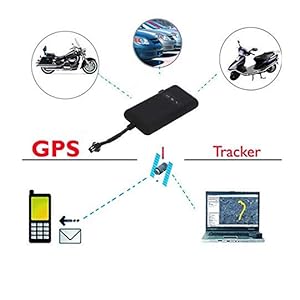
Allows device to work without external power source Digital Input/Output for remote monitoring and control\ 1-Wire® interface to monitor temperature data and RFID/iButton tags Bluetooth for external devices and Low Energy sensors GNSS/GSM/Bluetooth tracker with internal GNSS/GSM antennas and internal battery